
Key points
- On 19 Oct 2026, Thailand's Immigration Bureau, joined by officials from the Department of Thai Traditional and Alternative Medicine (DTAM), searched a rented three-storey house on Soi Khu Bon 27, Bang Khen district, Bangkok, under a Min Buri Criminal Court warrant.
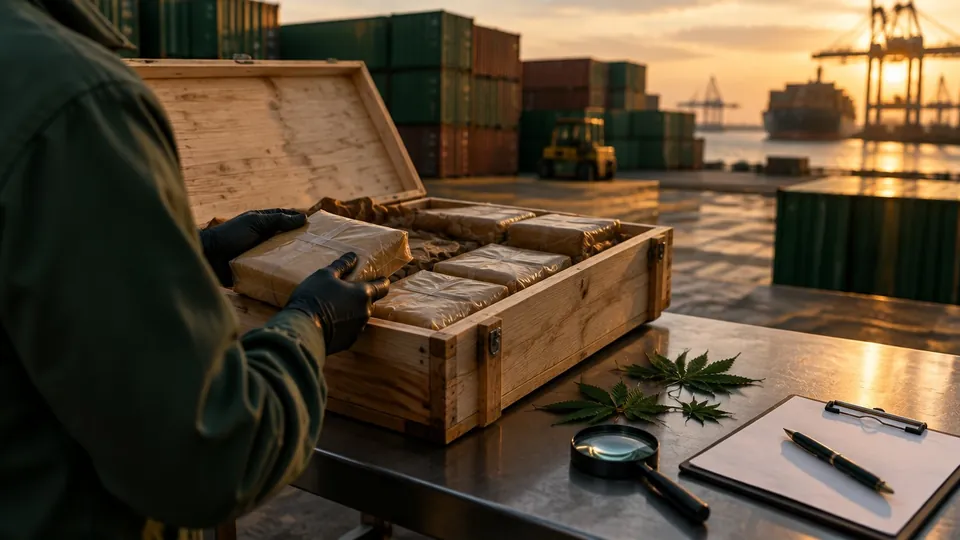
- Officers found more than 5 tonnes of cannabis flower in black bags and detained five foreign nationals (one Vietnamese, four from Myanmar) who were sorting and packing it for delivery.
- The licence shown at the scene was issued in Nong Bua Lamphu province, so it did not cover activity in Bangkok.
- Officials cited the Thai Traditional Medicine Protection and Promotion Act 1999, which carries up to one year in prison or a fine of up to 20,000 baht.
- Samples are being tested to find out whether the cannabis was grown locally or smuggled in, and police are tracing others linked to the house.
What happened in Khu Bon
On 19 October 2026, an Immigration Bureau team led by Commissioner Pol. Lt. Gen. Nopasin searched a roughly 400 m² three-storey house on Soi Khu Bon 27 (junction 14), Tha Raeng subdistrict, Bang Khen. The search was carried out under a warrant from the Min Buri Criminal Court, with DTAM officials present.
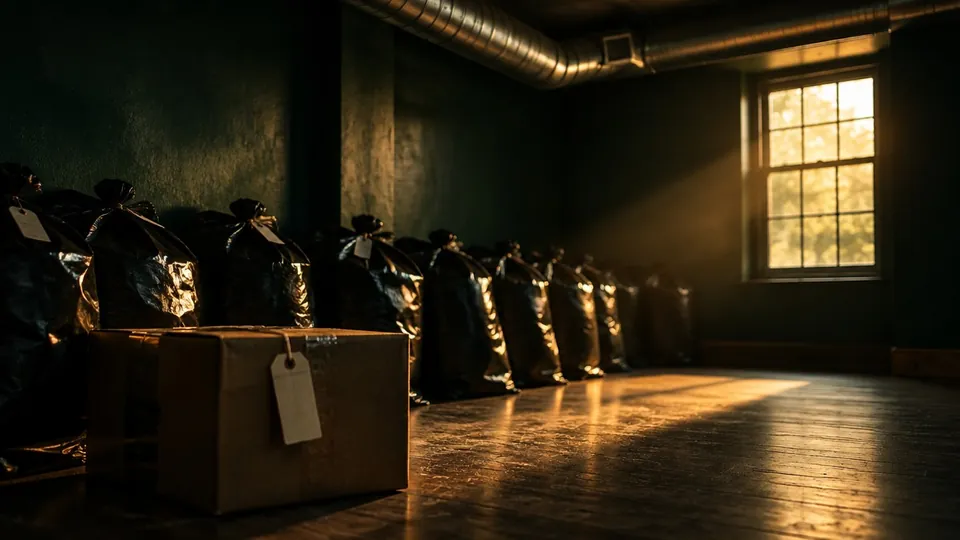
According to Daily News and Manager Online, the case began with neighbours complaining about the smell of cannabis. Officers spent about two months gathering evidence before moving in. Inside, they found cannabis flower packed in black bags across all three floors — more than 5 tonnes in total — and a ducting system that vented the odour outside.
Five foreign nationals, one Vietnamese and four from Myanmar, were found sorting and packing flower for delivery to customers in Bangkok.
Initial findings
- A Thai national signed the lease, but the foreign group had reportedly lived in and run the operation from the house for more than a year.
- The Myanmar workers were reportedly paid around 200–300 baht a day.
- Police believe the Vietnamese suspect may have managed the work, which was organised much like a company.
- A licence issued in Nong Bua Lamphu was presented, but officials said it does not cover operations in Bangkok.
At the time of reporting, the media had not detailed the specific charges filed against each suspect.
Why a licence from another province doesn't count
Cannabis flower is a "controlled herb" under the Thai Traditional Medicine Protection and Promotion Act 1999. Selling, commercially processing or exporting flower requires a licence, and — as officials explained — that licence must be issued by the provincial public health office where the activity actually takes place. A licence from one province is not a pass to run a warehouse or distribution hub somewhere else.
Officials said violations carry up to one year in prison or a fine of up to 20,000 baht, in line with the penalties summarised in our Thailand cannabis penalties guide. Flower can currently only be sold through legally designated outlets and against a prescription — see our Thailand cannabis law 2026 overview.
What happens next
Seized samples will be lab-tested to determine whether the cannabis was grown in Thailand or imported. Police say they are expanding the investigation to others who reportedly came and went from the house — including Vietnamese, Myanmar and Chinese nationals — and to the supply chain behind it.
What businesses and consumers should know
- A licence is tied to the premises and the province that issued it; moving or adding a location needs a new local permit.
- Flower distributed from a warehouse or sold online without a prescription falls outside the current rules.
- Buyers can check whether a cannabis shop is licensed before purchasing and report suspicious outlets to the authorities.
- The Cannabis Control Bill approved by Cabinet is not yet in force — follow its progress in our Cabinet approval report.
This article summarises news reports for information only and is not legal advice. All suspects are presumed innocent until proven guilty in court.