
Key points
- On 22 October 2026, Prime Minister Anutin Charnvirakul chaired the Narcotics Control Board (ONCB) meeting No. 3/2026 at Government House.
- The board backed medical-only cannabis use and will send its guidelines to the Council of State to inform review of the Cannabis Control Bill.
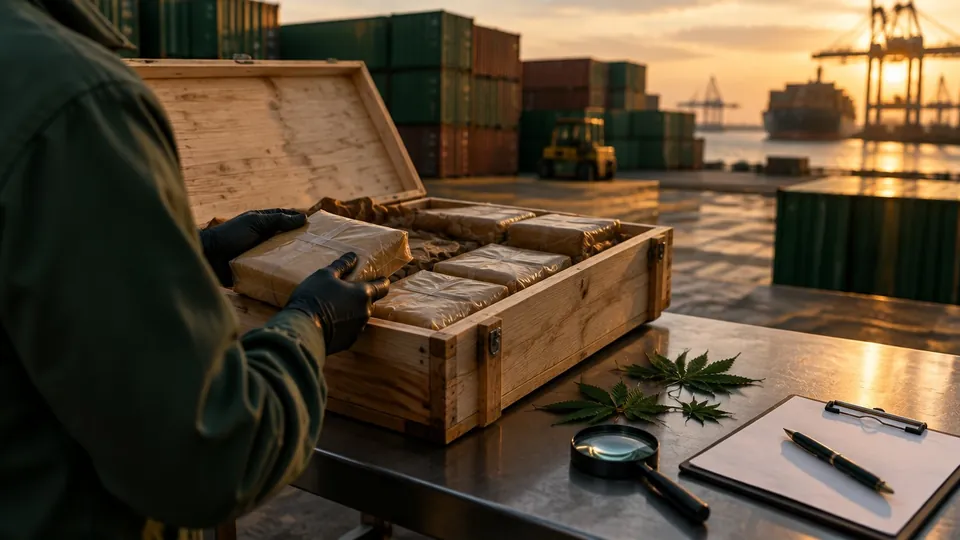
- The Customs Department was ordered to step up checks on exports to stop cannabis smuggling.
- The Public Health Ministry was told to inspect licensed shops; operators who breach licence conditions may lose their licences.
- No law changed today. Current rules still apply.
What happened at the ONCB meeting
On 22 October 2026, Prime Minister and Interior Minister Anutin Charnvirakul chaired the third Narcotics Control Board meeting of the year at Government House. The main agenda was the drug-control action plan for fiscal year 2027, but cannabis was raised as an urgent issue.
According to several Thai and regional outlets, the board agreed to reduce and deter recreational cannabis use in all forms and to support medical use only. It will forward its guidelines and resolutions to the Office of the Council of State to inform its review of the Public Health Ministry's Cannabis Control Bill, which the Cabinet approved on 22 September 2026.
The Prime Minister said drug policy must be guided by scientific evidence, facts and the public interest, with a clear line between medical and recreational use.
Tighter customs checks on exports
Anutin instructed the Director-General of Customs to step up inspections of outbound goods after cases of drug smuggling through shipping companies. Checks will rely on intelligence and random inspections rather than opening every container.
In his view, shipping cannabis stems, leaves or flower abroad without authorisation is smuggling that begins in Thailand, whatever the destination. CBD extracts may still be exported under licences and rules set by the Food and Drug Administration (FDA).
Businesses dealing in hemp or CBD products should make sure their export licences are complete. See Hemp law in Thailand and CBD vs THC explained.
Shops: inspection before licence renewal
The board told the Public Health Ministry and related agencies to inspect licensed establishments and take legal action against operators who breach licence conditions, which may include revocation.
Anutin said licence renewal is not automatic and requires inspection first. Shops selling flower products in breach of the rules, such as pre-rolled joints, could have their licences revoked immediately, with the Public Health Ministry as the responsible authority.
For consumers, the safest approach is to buy only from properly registered outlets. See How to check a licensed cannabis shop.
"Flower is still a narcotic": what it means legally
The Prime Minister told reporters that cannabis flower is "still fully a narcotic". Under current law, the picture is more specific:
- Cannabis flower is a "controlled herb" under a Public Health Ministry notification. It may be sold for medical purposes only, with a prescription from an authorised practitioner, through a licensed outlet.
- Extracts containing more than 0.2% THC by weight remain Category 5 narcotics.
- Recreational use is not permitted, and smoking in public carries a fine.
In practice, his remarks signal that the state intends to enforce flower rules as strictly as narcotics rules, but flower's legal status remains that of a controlled herb until new legislation takes effect. For the full picture, see Thailand cannabis law 2026 and Cannabis penalties in Thailand.
Tougher penalties proposed
Anutin said a draft amendment to the Narcotics Code would increase penalties for cannabis offences, with details to come from the ONCB secretary-general. Separately, MPs submitted amendments to the Narcotics Code and the narcotics procedure law to the House Speaker on 21 October 2026. Reporting on those bills focused on drug users and possession; no new cannabis penalty rates have been published yet.
The board also recommended that the Prime Minister sign an order launching a six-month "war on drugs" operational plan and designated 21 provinces and 82 districts as urgent areas for fiscal year 2027.
What it means for businesses and tourists
Today's news does not change the law in force, but it signals stricter shop inspections, export checks and licence reviews. Operators should review their own licence conditions. Tourists should never take cannabis out of Thailand. See the Cannabis guide for tourists in Bangkok and Phuket.
We will follow the details of the narcotics law amendment and progress at the Council of State.
Sources
- มติชน – อนุทิน กำชับกรมศุลกากร เข้มสินค้าส่งออก ย้ำช่อ-ดอกกัญชา ยังเป็นยาเสพติด
- ผู้จัดการออนไลน์ – อนุทิน สั่งเข้มตรวจลักลอบขนยาเสพติด ย้ำกัญชา ช่อ-ดอก ยังเป็นยาเสพติด
- Thai Tabloid – นายกฯ อนุทิน นั่งประธาน ป.ป.ส. ย้ำกัญชาเพื่อการแพทย์ ไฟเขียวแผนปราบยาเสพติดปี 2570
- The Star (Bernama) – Thailand to tighten cannabis controls and propose tougher penalties
- ไทยโพสต์ – อนุทินยื่นแก้ กม.ยาเสพติดเพิ่มโทษผู้ใช้-ผู้ครอบครอง